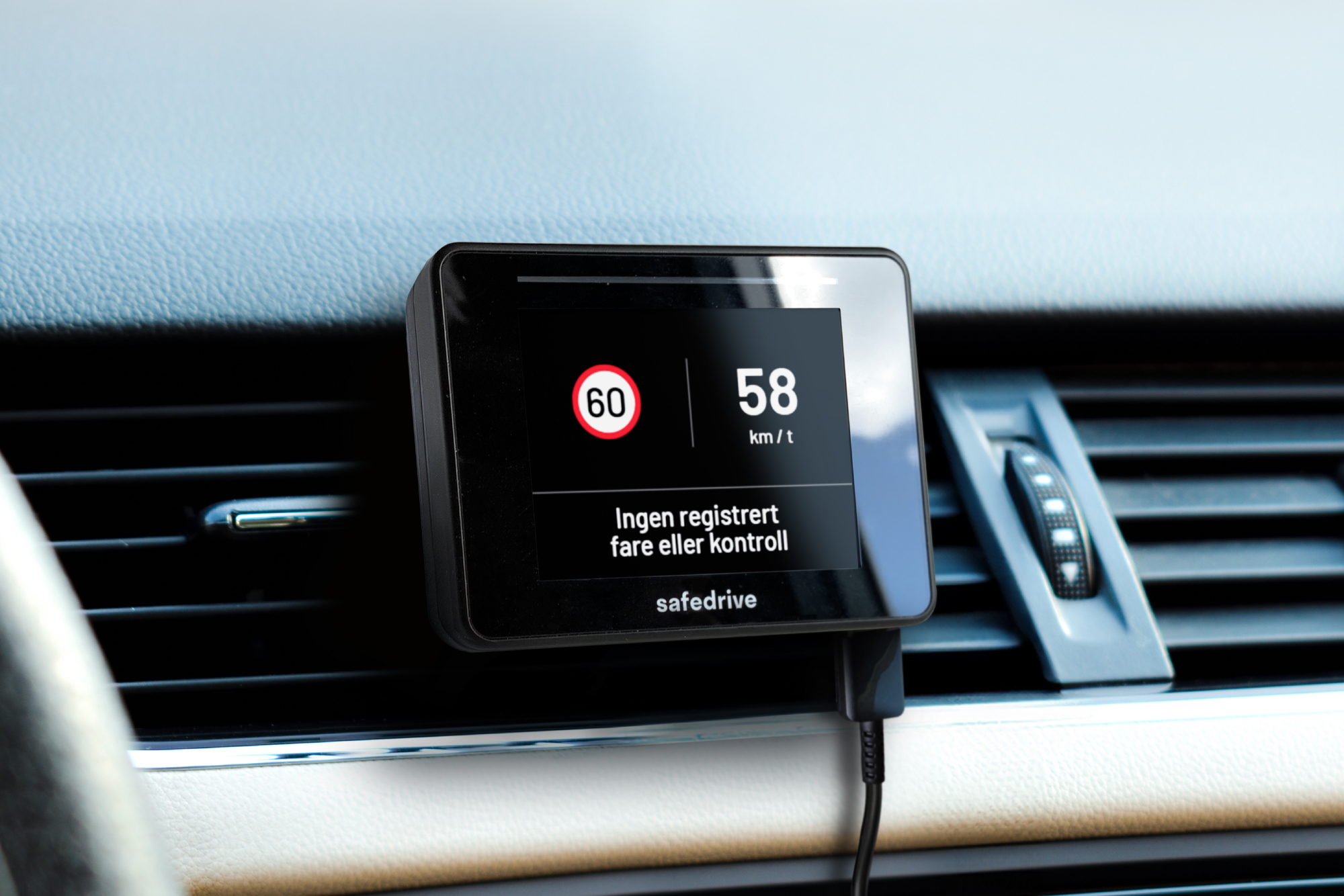
Gjensidige in Norway claims that traffic alerts make drivers drive faster and increase the risk of accidents. Our data shows the opposite.
While Gjensidige claims that traffic alerts make people drive faster, Safedrive's user surveys show that alerts sharpen drivers' attention and strengthen traffic safety.
Traffic alerts don't make people drive faster – they sharpen their attention and drivers. And, when police checkpoints become visible, the risk of detection increases. It makes the roads safer, not more dangerous.
Facts from Safedrive's user survey 2024
Based on 42,502 respondents, the numbers clearly show that our service contributes to safer traffic:
67% become more aware of their own speed and driving behavior
66% experience increased safety in traffic
85% believe they probably avoided an accident due to warning
82% have no dots on their driver's license
This is not a product to “fool the police.” It is a system that helps people drive safer, more attentive, and more law-abiding.
Visible police save lives
A key point that Gjensidige overlooks is that notification actually enhances the police's preventive effect. When checks are made visible in the traffic scene, drivers experience an increased risk of detection – and adjust their speed accordingly.
Those who drive with Safedrive report that they are more often aware of the police presence, and thus experience a more active daily routine of checks than before. Those who do not use such services, on the other hand, rarely encounter checks – and therefore have little experience of risk.
In practice, this means that reporting strengthens the work of the police, because the effect of each check reaches far more people.
A broad safety tool – not a radar detector
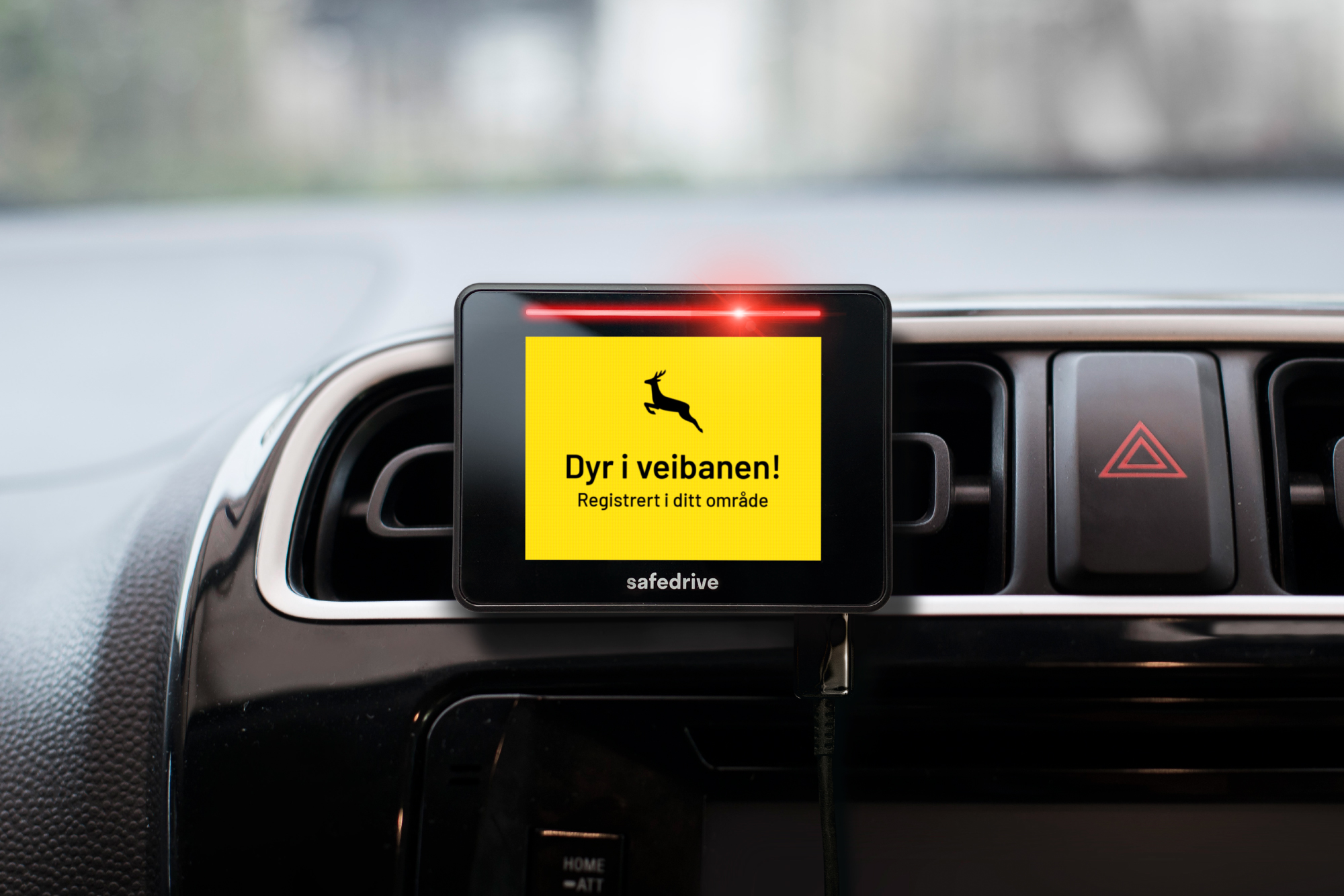
Safedrive alerts about far more than checkpoints. In 2024, over one and a half million of our alerts were for animals and other obstacles in the roadway:
Over 1,000,000 reports of animals on the road
560,000 obstacle notifications
Gjensidige in Norway is skeptical, while their Danish colleagues highlight traffic warnings as a contribution to safer roads. In 2024, Safedrive warned over one million times about animals in the roadway.
Control warnings only account for 8 percent of all warnings, but are an important part of the whole – they contribute to attention, lower speed and have a preventive effect.
A ban on control notifications would therefore remove the entire positive behavioral effect that results from the service.
"Overall, it is positive if equipment such as traffic alarms can help to ensure that people stay within the speed limits or can predict the traffic to a greater extent and are thus more aware of upcoming situations. But it is very important that the safety of a traffic alarm does not cause you to switch off your brain and not drive according to conditions or the applicable traffic rules."
Namdal Taxi experienced a decrease of as much as 80% in the number of wildlife collisions.
This illustrates that traffic alerts provide measurable results in everyday life. Experience from both professional and private drivers shows that alerts reduce the risk of accidents on the road and make driving more predictable.
Facts must beat rhetoric
Gjensidige claims that traffic warnings increase the risk in traffic. Safedrive's documentation shows the opposite: Warnings increase awareness, reinforce the work of the police and help save lives.
Edvard Nesland knows what it's like when things go wrong in traffic. He is a former police officer with ten years of experience in the police, including three years in the Emergency Police. Half of the time he monitored traffic from a civilian car. Today he is retired and uses Safedrive.
With experience from both youth work, the motorcycle community and traffic, Truls Dahl Støber has a unique perspective on what creates safer traffic for everyone. He is committed to safe traffic, meeting young people on the roads and creating an inclusive community around motorcycles and self-mastery.