Nationen recently shared an article about one in four drivers fearing being hit by a car. At the same time, this means that three in four drivers do not see this as a big risk – and that can be scary. The accident can happen in an instant, and the consequences are often serious for everyone involved.
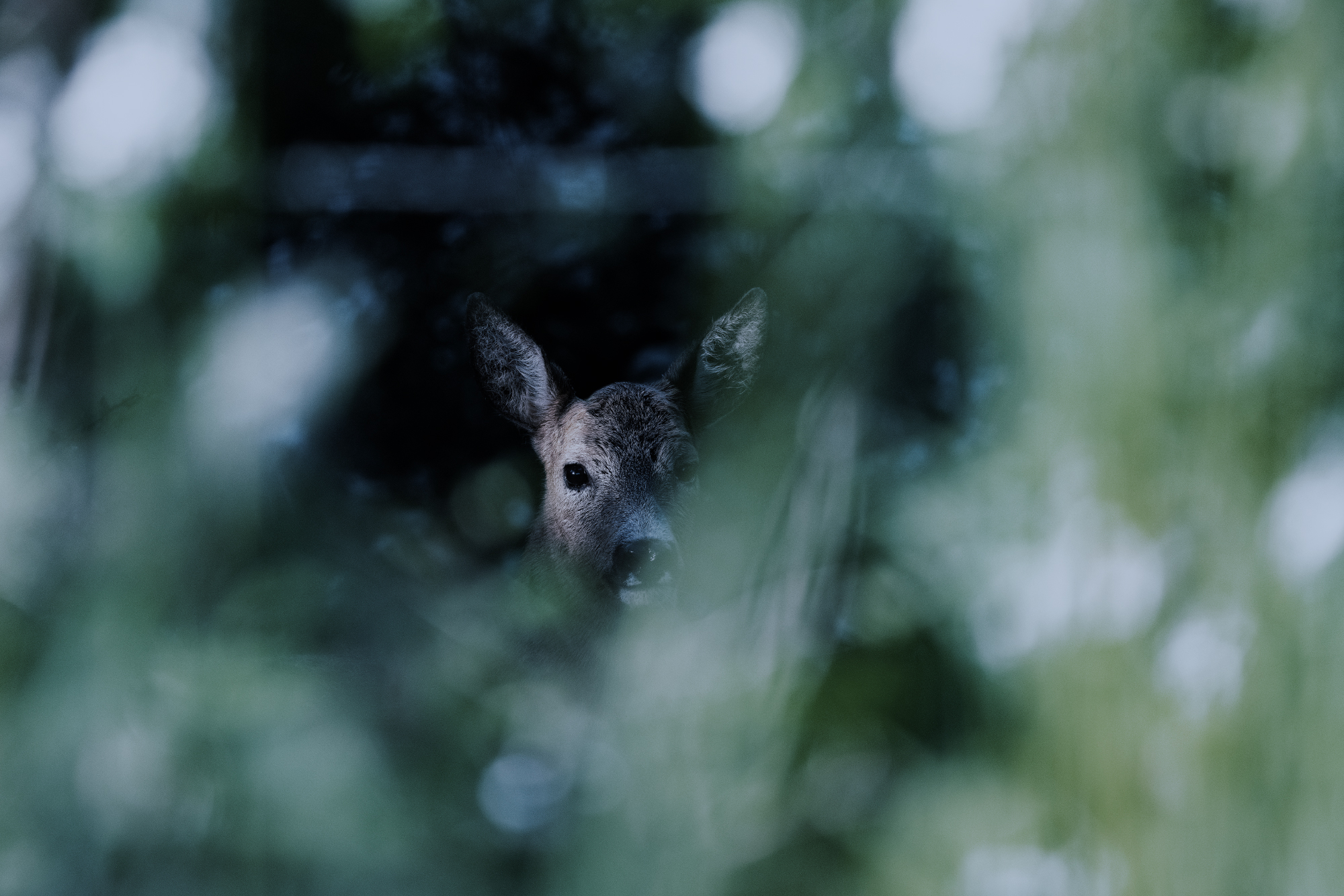
In the dark, it is significantly more difficult to spot wildlife along the road, and the risk of collisions increases.
A widespread problem
According to the Deer Wildlife Register, over 20,000 deer collisions are recorded in Norway each year. Although the figures show a slight decrease in recent years, the level is still high. In addition, there are hidden figures that never reach the statistics.
As forskning.no points out, animal collisions are a significant and growing problem. This is both a traffic safety problem, an animal welfare problem and a significant cost to society.
– Too little is being done even though the technology and the will to change are present, says researcher Aina Winsvold at Ruralis to forskning.no.
More than just a traffic alarm
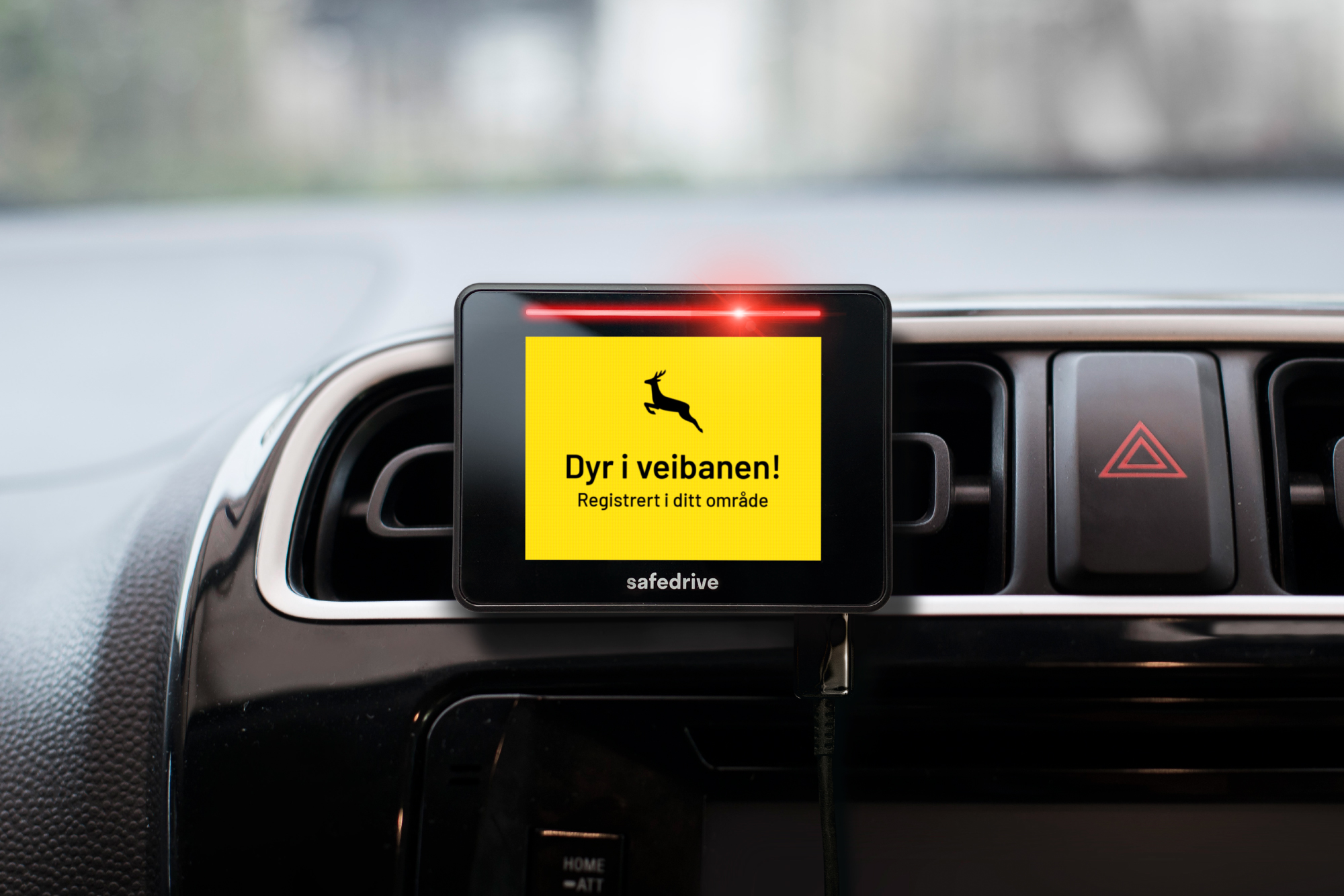
At Safedrive, we offer more than just a traffic alarm. We are proud to be Norway's largest community along the road. With our warning device, we help drivers look out for each other by sharing information about possible dangers in traffic - everything from animals in the road to other obstacles.
We are experiencing a rapid increase in the number of Safedrive users. On Norwegian roads, there are now 265,000 drivers using the device. 85% believe they have probably avoided accidents because of the warning. Many also say that they become more aware of their own driving and feel safer behind the wheel.
Safedrive alerts are especially useful in the fall and winter, when it gets dark earlier and animals often move close to the road. They help drivers spot wildlife in time and reduce the risk of accidents.
We want to create safer traffic and smarter drivers, and therefore have big plans for the future. An important area of focus going forward is to strengthen the notification of critical traffic incidents, such as slippery roads, avalanche danger, closed roads and accidents, so that drivers are better able to adapt to the traffic situation in time.
In addition, we want to expand the warnings to include heart zones around schools and kindergartens, as defined by Safe Traffic, where low speed and extra caution are crucial for children's safety.
Namdal Taxi experiences increased safety with Safedrive Pro in their vehicles.
– I didn't believe in this at first. It was the old-fashioned idea that Safedrive was just a radar detector. We had an average of ten to fifteen wildlife collisions a year. After we installed Safedrive in our vehicles, we have had two wildlife collisions – and that in a year and a half. So there's nothing to say other than that this is a great product, says Roy Evensen-Stangvik of Namdal Taxi.
We see the same trend among private customers. Our own surveys show that over 75% of our users state that warning about animals or obstacles in the road is the most important reason for using Safedrive.
Extra caution in the autumn darkness
We are now entering the darkest time of year. With shorter days, poorer visibility and more animal movement along the roads, the risk of accidents is greater.
We therefore urge all drivers to be extra careful: slow down, use your lights correctly, and be especially alert in areas where wildlife roam. With good driving habits and technology that helps us see what we ourselves cannot detect, together we can make the roads safer for both people and animals.
Never before have Norwegians paid more in tolls than now. In 2024 alone, NOK 15.8 billion was collected – more than ever before. At the same time, the number of toll stations and the level of rates continue to grow.
Every month, one lucky winner of NOK 100,000 is drawn through Safedrive Reward. Now, the winner also has the opportunity to donate an additional NOK 100,000 to socially beneficial causes through the Tryggve Fund.