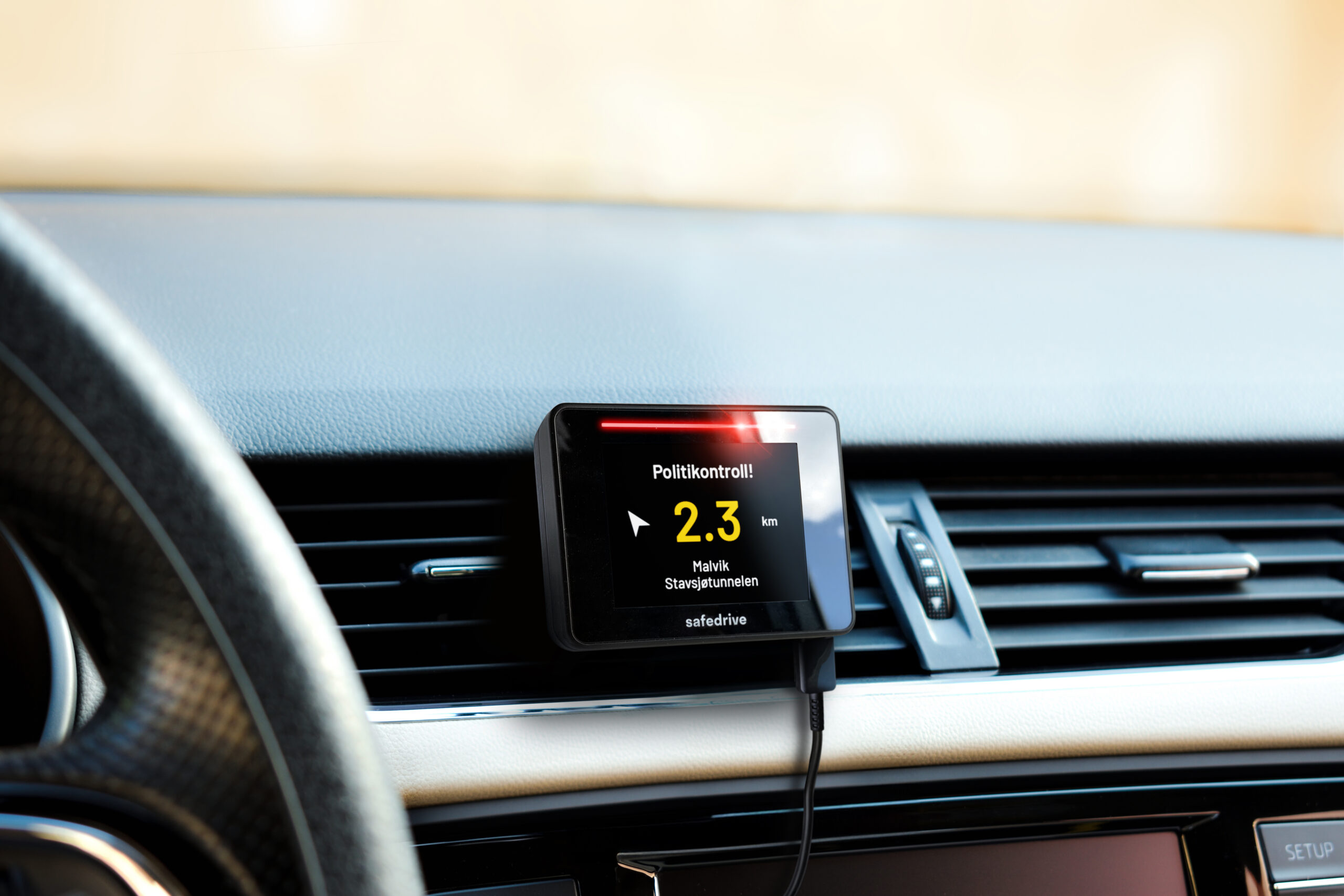
Minister of Transport Jon-Ivar Nygård asks why police checks should be notified. The answer is simple: Because it saves lives.
The vast majority say they slow down after starting to use Safedrive.
Notifications increase attention behind the wheel and contribute to safer traffic. Our customer survey shows that two out of three users become more aware of their own speed, and research from TØI confirms that perceived risk of detection is an effective tool against speeding. Our experience shows that control notifications make more people slow down and drive more carefully.
At the same time, Safedrive is not just about road safety warnings. 92% of the warnings concern animals on the road, obstacles, accidents and extreme driving conditions. But if road safety warnings are banned, the entire service could disappear – and with it, the warnings that Nygård himself believes are positive.
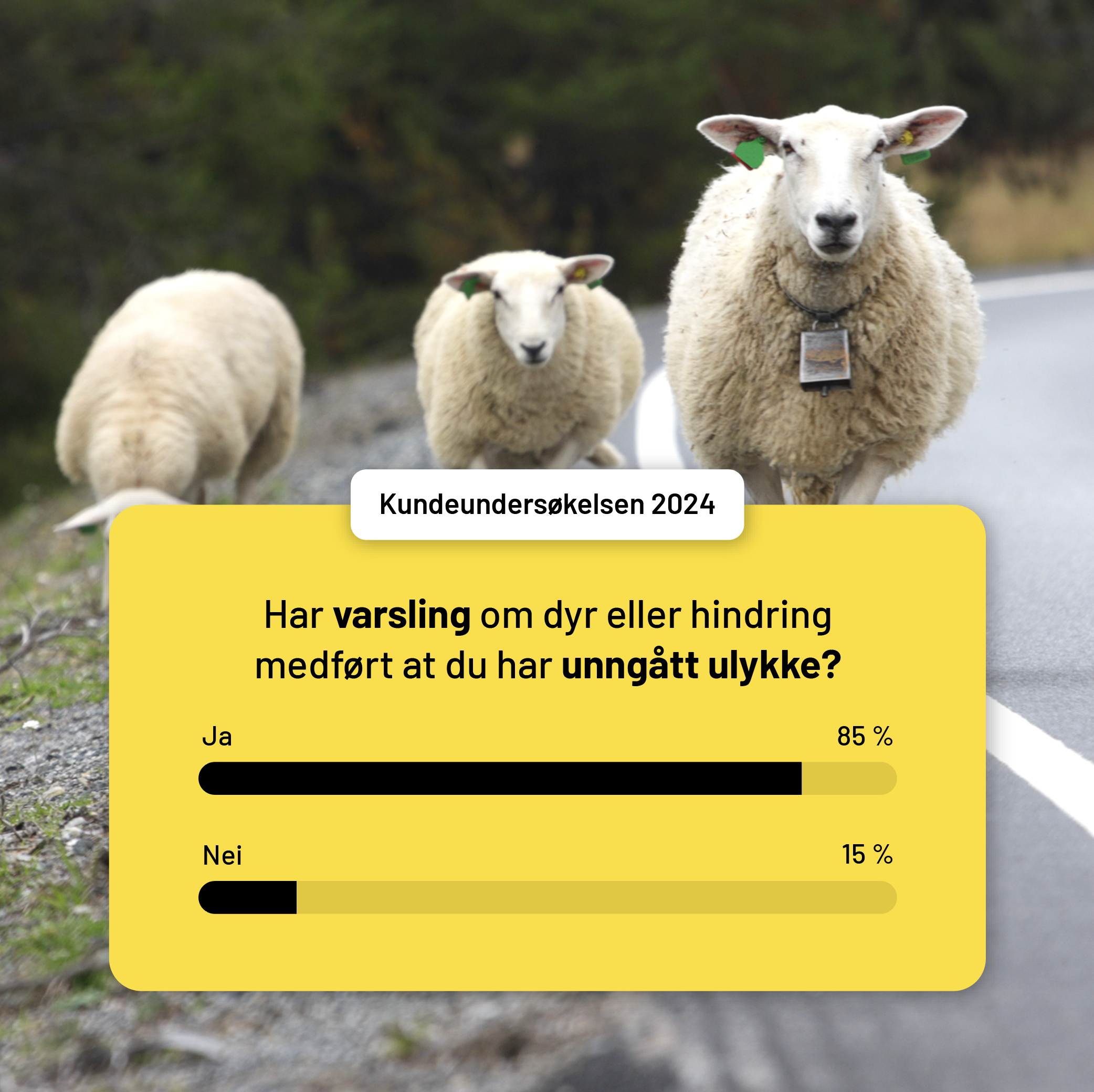
85% respond that they have probably avoided an accident thanks to notifications from Safedrive.
No documentation for ban The government has not presented any evidence-based basis for the proposition that a ban will make roads safer. However, we know that increased detection risk reduces speeding – one of the biggest causes of serious accidents. Banning speeding is therefore directly contrary to the goal of zero serious injuries and fatalities in traffic.
Drunk driving must be combated – but with the right tools We completely agree with the minister on one thing: Drugs have no place in traffic. That is why Safedrive has a strict policy that prohibits reporting drug tests. Violation of this will result in banning. We have also repeatedly invited the police to cooperate in preventing drug tests from being reported – but have only met with a cold shoulder.
A ban threatens freedom of expression In addition to being bad road safety policy, a ban on traffic control notifications is a serious infringement on freedom of expression. The authorities cannot prohibit the sharing of publicly available information without compelling reasons – and Nygård has not presented such reasons. The government is proposing a law that is based neither on facts nor reason.
A ban would weaken road safety, prevent vital alerts and challenge fundamental rights. It is bad policy – and contributes to poor road safety.
Now the world's most expensive fines are getting even more expensive. The government is increasing the fine rates once again, despite the proposal being slaughtered by experts.
Safedrive Reward is a rewards program that rewards good behavior on the road. Over 40,000 participants are already competing for millions of kroner – every single week!
For several years, Namdal Taxi experienced a number of vehicle damages as a result of wildlife collisions. After the company installed Safedrive Pro in their vehicles, they have a completely new everyday life.