Fuel prices fluctuate, but now there are warnings of a real price shock. According to new forecasts, we could soon see pump prices of over 30 kroner per liter. If so, those would be the highest prices ever.
The introduction of the new ETS2 quota system could make gasoline up to 6.54 NOK and diesel 7.49 NOK more expensive by 2030, according to the government's own estimates.
A proposal that is now up for political consideration indicates that the price for CO₂ emissions could lead to increased costs for both gasoline and diesel. According to Nettavisen , this could lead to:
Diesel more expensive by more than 7 kroner
More than 6 kroner more expensive gasoline
This is due to a quota system that is intended to reduce greenhouse gas emissions. In order to emit CO₂, actors must buy quotas. When the price of quotas increases, it becomes more expensive to produce and sell fossil fuels.
What does that mean to you?
For anyone who lives outside the cities, commutes long distances, or relies on a car for work, this isn't about luxury – it's about making everyday life work. And it's precisely these people who are hit the hardest.
Making it extremely expensive to use a car in the rural areas is perhaps the easiest, but also the most unsocial. There, the car is not a choice, but a necessity. Now politicians are discussing measures that in practice make it far too expensive to get to work, drop off the children or shop for food.
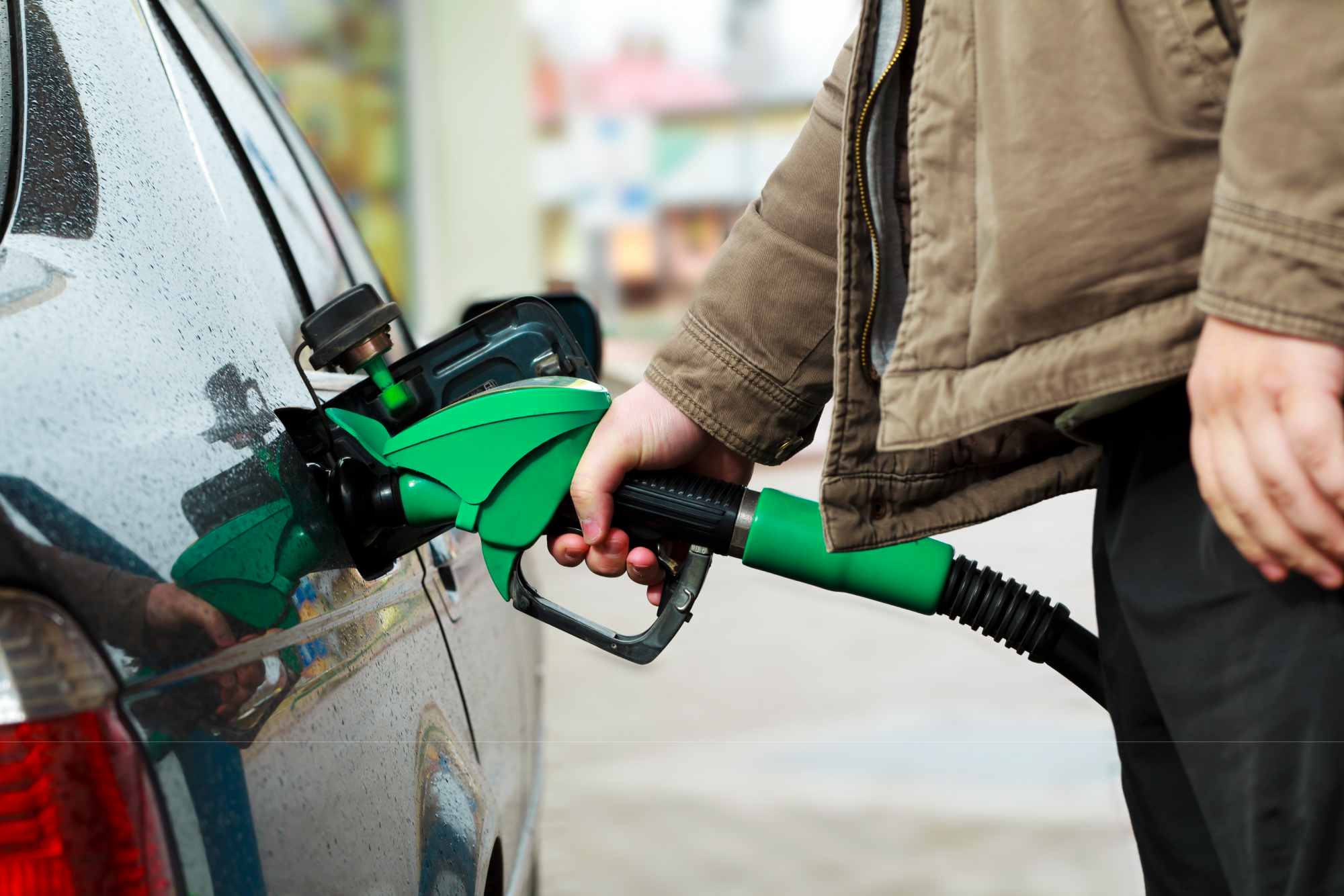
One tank = 2000 kroner?
For many, it means filling up the tank once a week. For some, it means dropping off children, getting to work and shopping for food – not a luxury, but an everyday necessity. When prices are pushed up, it's not just a matter of a few extra kroner. It's hundreds and thousands of kroner a month. And it hits hardest where the car is not a choice, but a necessity.
Now is the time for decision-makers to take stock of the consequences – for ordinary people, in ordinary lives. What do you think?
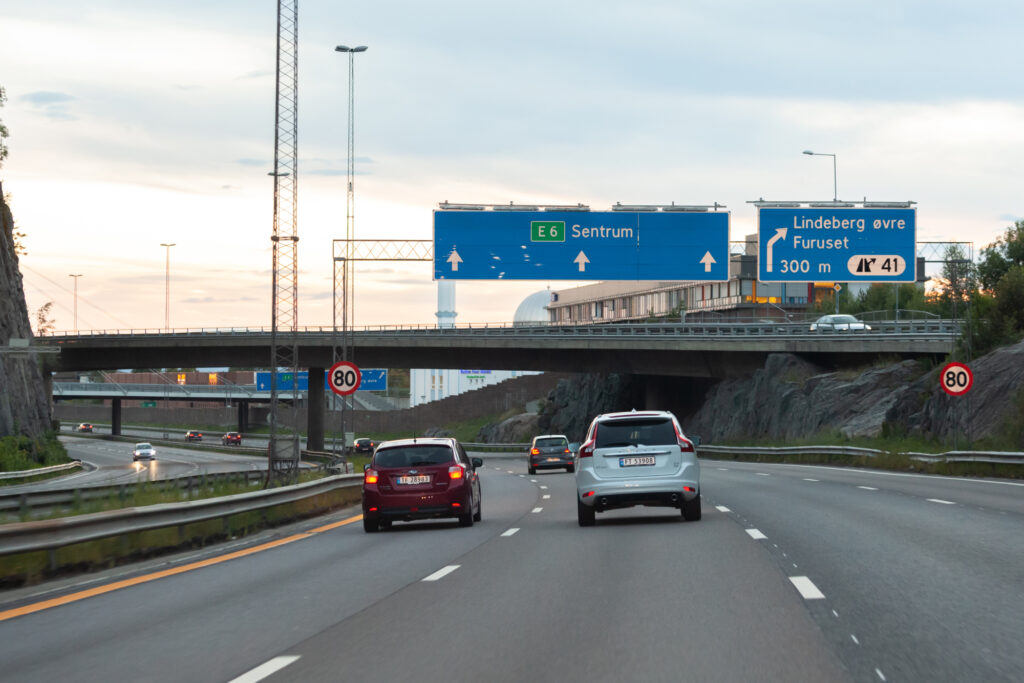
Keeping to the speed limit is important. If you're behind the wheel in summer traffic, remember: Slow speed is not always safe speed. Contributing to good flow is contributing to fewer accidents.
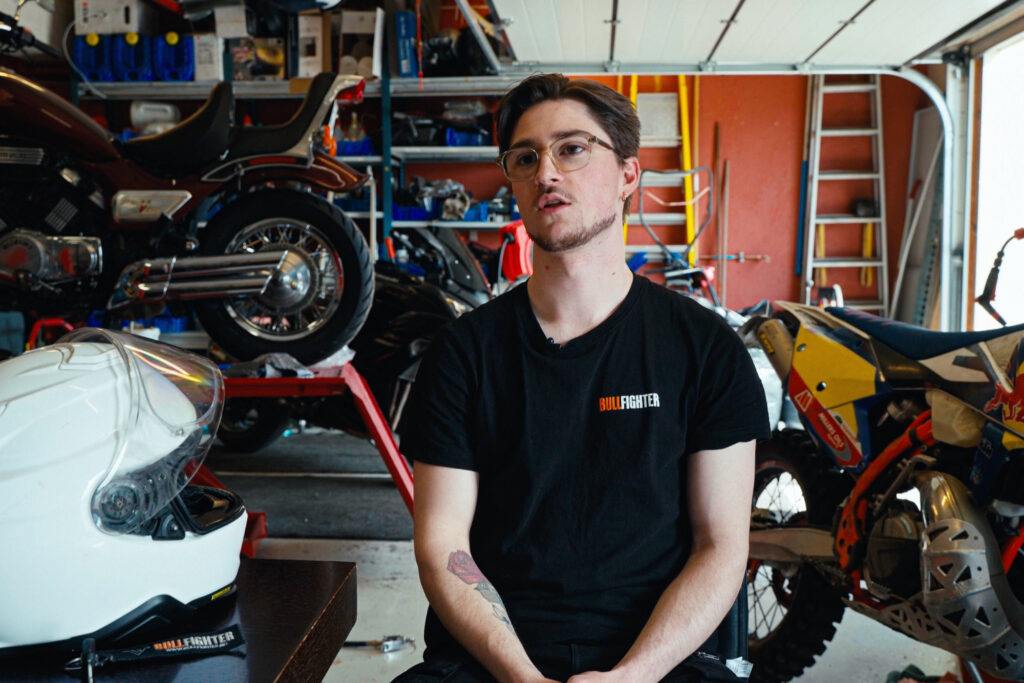
With experience from both youth work, the motorcycle community and traffic, Truls Dahl Støber has a unique perspective on what creates safer traffic for everyone. He is committed to safe traffic, meeting young people on the roads and creating an inclusive community around motorcycles and self-mastery.
New figures from Trygg Trafikk show that fatal accidents on Norwegian roads continue to decline. It is a development that the entire Norwegian Traffic Department has been working on for a long time, and it is going in the right direction. But instead of breathing a sigh of relief, this is perhaps the time to ask: What is it that actually works?